

Výpočet trvanlivosti keramické koruny
Jak dlouho vydrží vaše keramická koruna?
Tento nástroj vám pomůže odhadnout, jak dlouho vám vydrží keramická koruna na základě vašich zvyků a péče. Výsledek je odhadovaný na základě vědeckých studií a praxe.
Výsledek
Poznámka: Tento výpočet je orientační. Jedná se o odhad na základě průměrných hodnot z vědeckých studií.
When you get a ceramic dental crown, you’re not just fixing a broken tooth-you’re investing in your smile and your daily comfort. But how long will it actually last? Many people assume ceramic crowns last forever, while others fear they’ll need replacements in just a few years. The truth? It’s not magic, and it’s not a gamble. With proper care, a well-made ceramic crown can easily last 15 to 20 years, and many patients keep theirs for over 25. But that’s only if you treat it right.
Co vlastně je keramický zub?
A ceramic dental crown, or keramická koruna, is a custom-made cap that covers a damaged, decayed, or weakened tooth. Unlike metal crowns, ceramic ones are made to match the color, shape, and translucency of your natural teeth. They’re popular because they look real, don’t cause allergic reactions, and don’t show dark lines at the gumline like older metal crowns.
Modern ceramic crowns are usually made from zirconia or lithium disilicate. Zirconia is incredibly strong-so much so that it’s often used for back molars that handle heavy chewing. Lithium disilicate, on the other hand, is more translucent and ideal for front teeth where appearance matters most. Both materials are biocompatible and resist staining better than natural enamel.
Proč některé keramické koruny selhají dříve?
Not all ceramic crowns last as long as they should. The biggest reason? Poor habits and neglect. Here are the top three killers of ceramic crowns:
- Bruxism (zubní bruxismus) - Grinding or clenching your teeth at night puts extreme pressure on crowns. Studies show that patients with untreated bruxism are 3 times more likely to fracture their ceramic crowns within 10 years.
- Chybějící pravidelná kontrola - Skipping dental checkups means small cracks or loose margins go unnoticed. A tiny gap between the crown and tooth lets bacteria in, leading to decay underneath. That decay can’t be seen from the outside, but it weakens the tooth from within.
- Špatná hygiena - Plaque buildup around the crown’s edge leads to gum disease. When gums recede, the crown’s margin becomes exposed, increasing the risk of sensitivity and bacterial invasion.
One patient I treated in 2023 had a crown placed in 2010. She thought it was fine because it didn’t hurt. But when she finally came in, the crown was loose, and the tooth underneath was 70% decayed. She didn’t know decay could happen under a crown. That’s why regular X-rays are non-negotiable.
Co ovlivňuje délku života keramické koruny?
It’s not just about the material. Several factors play a role:
- Umístění v ústech - Crowns on molars endure more force than those on front teeth. A ceramic crown on a molar might last 12-18 years, while one on a front tooth can easily last 20+.
- Kvalita přípravy zubu - If the tooth was not shaped correctly before the crown was placed, the fit will be off. A poor fit means more stress on the ceramic and faster wear.
- Kvalita laboratoře - Crowns made in low-quality labs may have hidden internal flaws. Reputable dental labs use digital scanning and high-temperature sintering to ensure strength.
- Váha a strava - Chewing hard foods like ice, nuts, or hard candy increases fracture risk. So does using teeth as tools-opening bottles, tearing tape, or biting nails.
- Stav zubních dásní - Healthy gums hold crowns in place. If you have periodontitis, the supporting bone weakens, and the crown becomes unstable.
Jak prodloužit životnost keramické koruny?
You can do more than you think to make your crown last decades:
- Používejte noční ochrannou štětici - If you grind your teeth, a custom night guard is the single best investment you can make. It absorbs the force and protects both your crown and natural teeth.
- Čistěte mezery mezi zuby - Use dental floss or interdental brushes daily. Crowns don’t get cavities, but the tooth underneath and adjacent teeth do.
- Navštěvujte zubního lékaře každých 6 měsíců - Even if nothing hurts. X-rays catch hidden problems early. A small crack can be repaired before the whole crown fails.
- Vyhněte se tvrdým potravinám - No ice cubes, hard candies, or popcorn kernels. If it takes more than two bites to crush it, don’t use your crown to do it.
- Pozor na kyselé nápoje - Soda, citrus juices, and energy drinks erode enamel and can weaken the bond between crown and tooth over time.
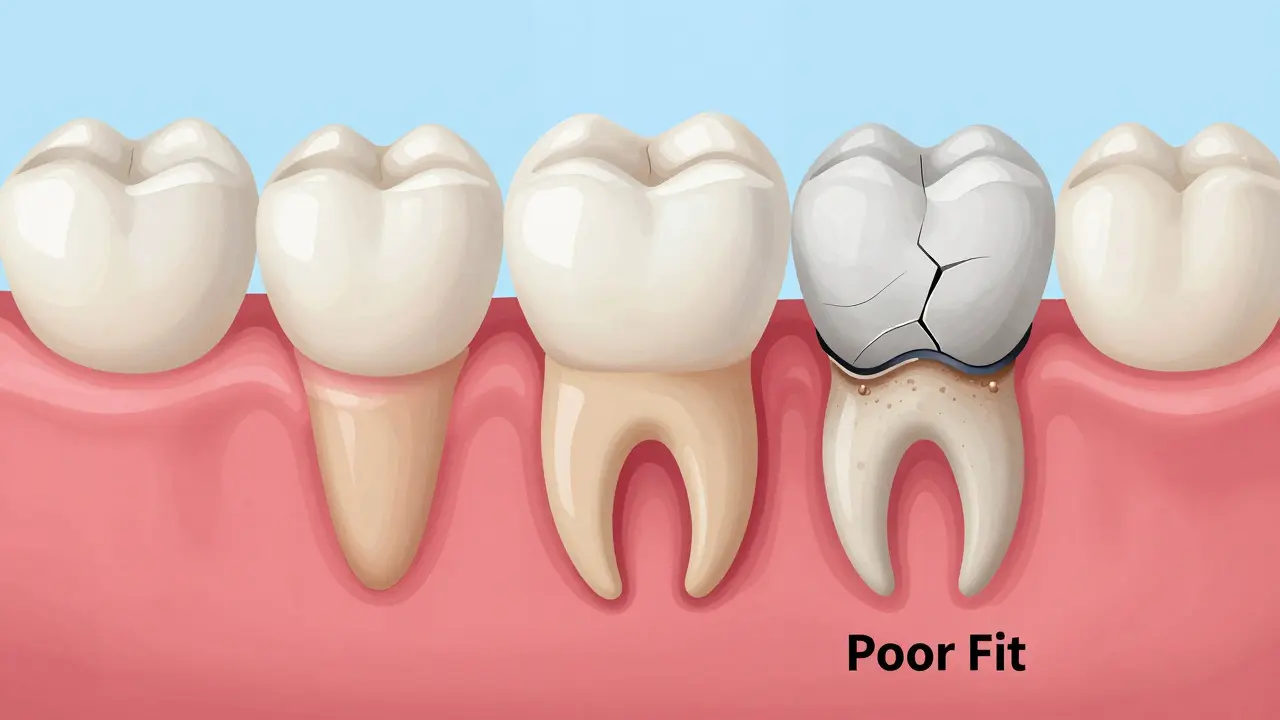
Co když keramická koruna praskne nebo spadne?
If your crown cracks or falls out, don’t panic. In many cases, it can be saved. Here’s what to do:
- Najděte korunu - Keep it clean. Don’t scrub it. Rinse it with water.
- Nevkládejte ji zpět sami - Especially not with super glue or toothpaste. You could damage the tooth or introduce bacteria.
- Navštivte zubního lékaře do 48 hodin - If the tooth is still healthy underneath, the crown can often be cleaned, polished, and rebonded. If the tooth is decayed, a new crown may be needed.
- Pokud nemůžete okamžitě jít k lékaři - Use temporary dental cement (available at pharmacies) to hold it in place until you can get help. It’s not permanent, but it protects the tooth.
One common myth: if a crown falls out, you need a new tooth. Not true. If the root is healthy, the crown can often be reused. That saves time, money, and avoids unnecessary drilling.
Když už to musí být nové zuby - co dál?
If your ceramic crown has reached the end of its life, you have options:
- Nová keramická koruna - The most common choice. Modern materials are even stronger than 10 years ago.
- Keramická vložka (inlay/onlay) - If the tooth structure is still mostly intact, you might not need a full crown. A partial restoration preserves more of your natural tooth.
- Zubní implantát - If the root is damaged or missing, an implant with a ceramic crown is the gold standard for long-term replacement.
There’s no rush. Your dentist will evaluate the tooth, take X-rays, and recommend what’s best-not what’s most expensive.
Je keramický zub lepší než jiné typy korun?
Compared to metal or porcelain-fused-to-metal crowns, ceramic has clear advantages:
| Materiál | Trvanlivost | Vzhled | Stabilita vůči zubnímu kazu | Reakce na kovy |
|---|---|---|---|---|
| Keramika (zirkonie) | 15-25 let | Velmi přirozený | Nízká | Nulová |
| Keramika (lithium disilikát) | 15-20 let | Nejpřirozenější | Nízká | Nulová |
| Porcelán na kovu | 10-15 let | Možná tmavá čára u dásně | Střední | Možná alergie |
| Plně kovová (zlatá) | 20-30 let | Neestetická | Nízká | Nulová |
For front teeth, ceramic wins on appearance. For back teeth, zirconia ceramic is nearly as strong as gold-and far more beautiful. If you care about your smile, ceramic is the smart choice.
Co říkají výrobci a výzkumy?
A 2024 study published in the Journal of Prosthetic Dentistry followed 1,200 ceramic crowns over 12 years. The survival rate was 92% after 10 years and 81% after 15 years. That’s better than most people expect.
Another key finding: crowns placed by experienced dentists using digital impressions had a 40% lower failure rate than those made with traditional molds. Digital scanning ensures a perfect fit from day one.
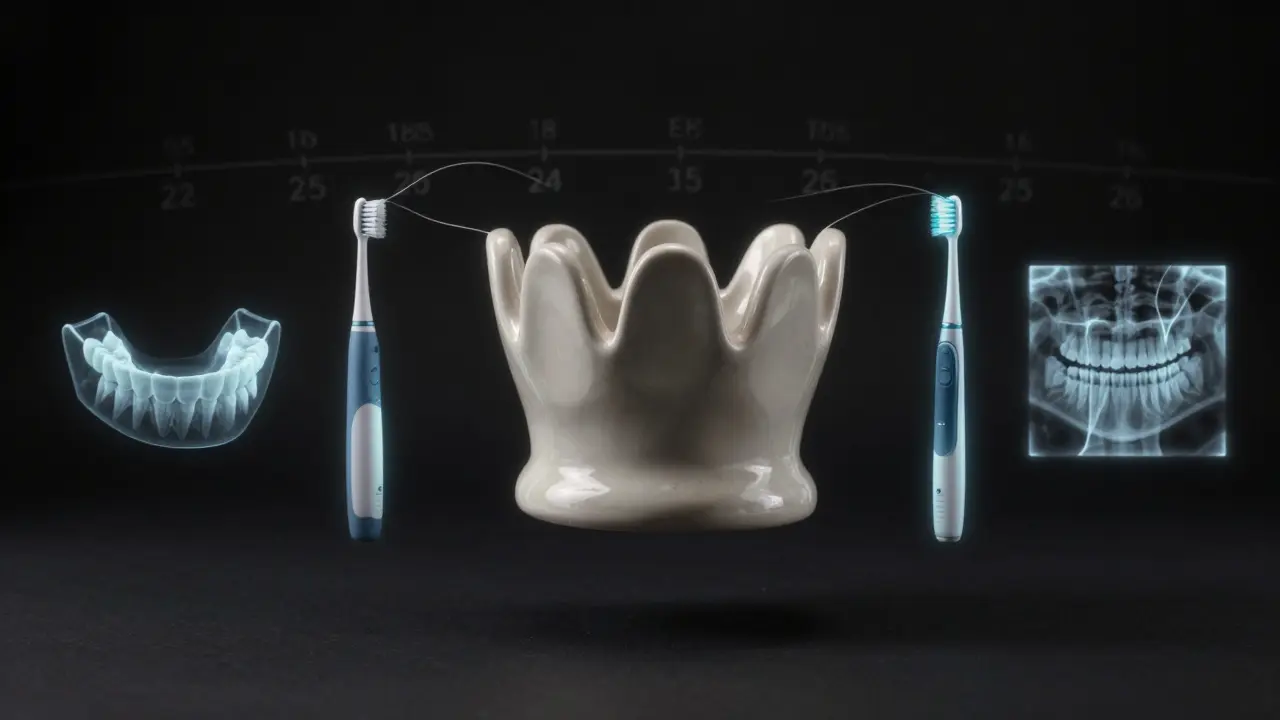
And here’s something surprising: patients who used an electric toothbrush had 30% fewer crown-related issues over 10 years. The gentle, consistent motion removes plaque more effectively than manual brushing.
Nejčastější otázky
Kolik stojí výměna keramické koruny?
Výměna keramické koruny obvykle stojí mezi 4 000 a 8 000 Kč, v závislosti na materiálu, komplexitě případu a regionu. Zirkoniové koruny jsou dražší než lithium disilikát, ale trvají déle. Pokud je zub stále zdravý, může být původní koruna přepracována, což ušetří náklady.
Může keramická koruna způsobit alergii?
Výjimečně. Moderní keramické koruny jsou vyrobeny z biologicky inertních materiálů, jako je zirkonie nebo lithium disilikát, které neobsahují kovy. Alergie na keramiku se v praxi téměř nevyskytují. Pokud máte historii alergie na kovy, keramika je ideální volbou.
Může se keramická koruna zbarvit?
Ne, samotná keramika nezbarvuje. Ale plak a káva, čaj nebo víno mohou zbarvit okraj, kde koruna přiléhá k zubu. Pravidelné čištění a profesionální hygiena to zabrání. Pokud se okraj ztmaví, může to znamenat, že se koruna uvolnila a potřebuje přepracování.
Je možné opravit prasklou keramickou korunu?
Malé trhliny se někdy opravují pomocí kompozitního materiálu, ale jen pokud je poškození povrchové a neohrožuje strukturu koruny. Většina prasklin v keramice je nevratná. V takovém případě je lepší vyměnit korunu, než riskovat další poškození.
Kdy je vhodné vyměnit keramickou korunu, i když nebolí?
Pokud je koruna starší než 15 let, máte zvýšené riziko selhání. I když nebolí, může mít mikrotrhliny, nebo pod ní může růst kazu. Doporučuje se provést kontrolní RTG a vyhodnotit stav pod korunou. Výměna před selháním je vždy levnější a méně invazivní než nouzové řešení.
Kdo by měl vybírat keramické koruny?
If you’re looking for a natural-looking, long-lasting solution and you’re willing to take care of your teeth, ceramic crowns are one of the best choices today. They’re ideal for:
- People who want invisible restorations
- Those with metal allergies
- Patients who prioritize long-term value over upfront cost
- Anyone who visits the dentist regularly
They’re not ideal if you grind your teeth heavily and refuse to wear a night guard. In that case, a gold crown might be wiser-even if it’s not as pretty.
Remember: your ceramic crown isn’t a one-time fix. It’s part of a lifelong habit. Brush well. Floss daily. See your dentist. And if you clench your jaw at night-get that guard. Your teeth will thank you in 15 years.